Buy ferienpass.eu ?
We are moving the project
ferienpass.eu .
Are you interested in purchasing the domain
ferienpass.eu ?
domain@kv-gmbh.de · 0541-91531010
Buy ferienpass.eu ?
What are ideas for leisure activities, outings, and excursions?
Some ideas for leisure activities, outings, and excursions include visiting a local museum or art gallery, going for a hike or nature walk in a nearby park, trying out a new restaurant or cafe, attending a live music or theater performance, or taking a day trip to a nearby town or city. Other options could include going to a sports game, exploring a farmers market, taking a cooking or art class, or simply spending a relaxing day at the beach or by the pool. Ultimately, the best leisure activities will depend on personal interests and preferences. **
What are some ideas for leisure activities, outings, and excursions?
Some ideas for leisure activities, outings, and excursions include visiting a local museum or art gallery, going for a hike in a nearby nature reserve, trying out a new restaurant or café, attending a live music or theater performance, or taking a day trip to a nearby town or city. Other options could include going to a farmers' market, exploring a botanical garden, participating in a cooking class, or simply spending a day at the beach or park. The key is to choose activities that interest you and provide a break from your usual routine. **


Similar search terms for Nearly-Natrual-Tulip-Artificial
Top-Angebote
Products related to Nearly-Natrual-Tulip-Artificial:
-
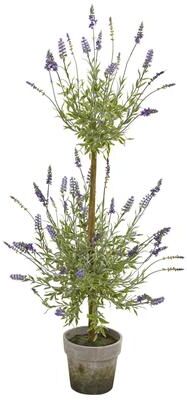
Nearly Natrual "34"" Lavander Topiary Artificial Tree"Sweetness comes to life in the shape of this artificial lavender topiary tree. Structured in a unique topiary form, this cheerful tree showcases hints of billowing lavender blooms, delicately mixed with soft hued greenery.88,86 $*Shipping: 0,00 $Secure redirect to the provider
-
Nearly Natrual Hydrangea Artificial Arrangement in Silver VaseHighlight bare spaces with this artificial arrangement of hydrangeas, boasting intricate silk blooms in palette of soft hues, complemented with dark foliage peeping out from underneath.86,99 $*Shipping: 0,00 $Secure redirect to the provider
-
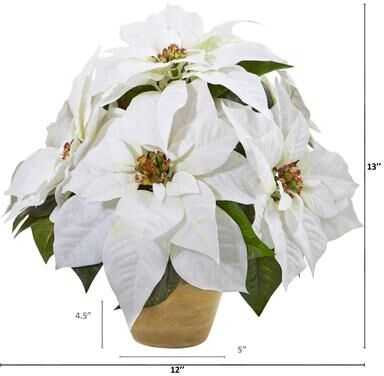
Nearly Natrual Poinsettia Artificial Arrangement in Ceramic VaseUpdate your holiday decor with a hint of elegance with the help of this classic arrangement of artificial poinsettias; boasting oversized silk blooms in a fresh palette of white, handsomely complemented with realistic leaves peering out throughout.65,99 $*Shipping: 0,00 $Secure redirect to the provider


-
Who is eating our tulip bulbs?
It is likely that squirrels or rabbits are eating your tulip bulbs. These animals are known to dig up and consume bulbs, especially during the fall and winter months when food sources are scarce. To prevent further damage, you can try using physical barriers or repellents to deter these animals from accessing your garden. **
-
Is the tulip a seed plant?
Yes, the tulip is a seed plant. Tulips reproduce by producing seeds, which are contained within the flower's ovary. Once the seeds are mature, they can be collected and planted to grow new tulip plants. Therefore, the tulip is a seed plant that reproduces through the production of seeds. **
-
Why do tulip leaves change color?
Tulip leaves change color as part of their natural growth and development process. As the tulip plant matures, the chlorophyll in the leaves breaks down, causing the green color to fade and other pigments to become more visible. This change in color is also influenced by environmental factors such as temperature, sunlight, and soil nutrients. Additionally, certain tulip varieties may naturally exhibit different leaf colors as they grow. **
-
How do you mix tulip directions?
To mix tulip directions in a garden or floral arrangement, you can create a dynamic and visually appealing display by combining tulips of different varieties and colors that face different directions. For example, you can plant or arrange tulips that face upwards, outwards, or downwards to add depth and interest to the overall design. Mixing tulip directions can create a more natural and organic look, mimicking how tulips grow in nature. Experimenting with different combinations of tulip directions can help create a unique and beautiful display that showcases the diversity of these stunning flowers. **

Are tulip leaves poisonous to cats?
Yes, tulip leaves are toxic to cats. All parts of the tulip plant, including the leaves, stem, and bulb, contain toxins called tulipalin A and B, which can cause vomiting, diarrhea, drooling, and in some cases, more severe symptoms such as difficulty breathing and increased heart rate in cats. It's important to keep tulip plants out of reach of cats and seek veterinary attention if you suspect your cat has ingested any part of the plant. **
How can one replicate a Tulip Chair?
Replicating a Tulip Chair involves studying the original design and materials used in its construction. One can start by researching the dimensions, shape, and materials of the chair. It is important to pay attention to details such as the curved lines of the seat and base, as well as the cushioning and upholstery. Additionally, finding a skilled craftsman or manufacturer who can accurately replicate the chair is essential to achieving a high-quality reproduction. **
Top-Angebote
Products related to Nearly-Natrual-Tulip-Artificial:
-
Nearly Natrual "23"" Dutch Tulip Artificial Flower (Set of 12)""Get creative with this set of artificial Dutch tulips. Available in a set of twelve, each 23"" long stem features a single floral in soft, muted tones, complemented with soft, pointed leaves that fan out at the base."77,48 $*Shipping: 0,00 $Secure redirect to the provider
-
Nearly Natrual "34"" Lavander Topiary Artificial Tree"Sweetness comes to life in the shape of this artificial lavender topiary tree. Structured in a unique topiary form, this cheerful tree showcases hints of billowing lavender blooms, delicately mixed with soft hued greenery.88,86 $*Shipping: 0,00 $Secure redirect to the provider
-
What are ideas for leisure activities, outings, and excursions?
Some ideas for leisure activities, outings, and excursions include visiting a local museum or art gallery, going for a hike or nature walk in a nearby park, trying out a new restaurant or cafe, attending a live music or theater performance, or taking a day trip to a nearby town or city. Other options could include going to a sports game, exploring a farmers market, taking a cooking or art class, or simply spending a relaxing day at the beach or by the pool. Ultimately, the best leisure activities will depend on personal interests and preferences. **
-
What are some ideas for leisure activities, outings, and excursions?
Some ideas for leisure activities, outings, and excursions include visiting a local museum or art gallery, going for a hike in a nearby nature reserve, trying out a new restaurant or café, attending a live music or theater performance, or taking a day trip to a nearby town or city. Other options could include going to a farmers' market, exploring a botanical garden, participating in a cooking class, or simply spending a day at the beach or park. The key is to choose activities that interest you and provide a break from your usual routine. **
-
Who is eating our tulip bulbs?
It is likely that squirrels or rabbits are eating your tulip bulbs. These animals are known to dig up and consume bulbs, especially during the fall and winter months when food sources are scarce. To prevent further damage, you can try using physical barriers or repellents to deter these animals from accessing your garden. **
-
Is the tulip a seed plant?
Yes, the tulip is a seed plant. Tulips reproduce by producing seeds, which are contained within the flower's ovary. Once the seeds are mature, they can be collected and planted to grow new tulip plants. Therefore, the tulip is a seed plant that reproduces through the production of seeds. **
Similar search terms for Nearly-Natrual-Tulip-Artificial
-
Nearly Natrual Hydrangea Artificial Arrangement in Silver VaseHighlight bare spaces with this artificial arrangement of hydrangeas, boasting intricate silk blooms in palette of soft hues, complemented with dark foliage peeping out from underneath.86,99 $*Shipping: 0,00 $Secure redirect to the provider
-
Nearly Natrual Poinsettia Artificial Arrangement in Ceramic VaseUpdate your holiday decor with a hint of elegance with the help of this classic arrangement of artificial poinsettias; boasting oversized silk blooms in a fresh palette of white, handsomely complemented with realistic leaves peering out throughout.65,99 $*Shipping: 0,00 $Secure redirect to the provider
-
Nearly Natrual "13"" Aloe Artificial Plant in Basket""Freshen up your environment with the help of this artificial aloe plant boasting a thick collection of textured leaves in bright, green hues. Standing 13"" tall from a wicker basket, this silk plant makes for perfect desktop display."84,99 $*Shipping: 0,00 $Secure redirect to the provider
-
Why do tulip leaves change color?
Tulip leaves change color as part of their natural growth and development process. As the tulip plant matures, the chlorophyll in the leaves breaks down, causing the green color to fade and other pigments to become more visible. This change in color is also influenced by environmental factors such as temperature, sunlight, and soil nutrients. Additionally, certain tulip varieties may naturally exhibit different leaf colors as they grow. **
-
How do you mix tulip directions?
To mix tulip directions in a garden or floral arrangement, you can create a dynamic and visually appealing display by combining tulips of different varieties and colors that face different directions. For example, you can plant or arrange tulips that face upwards, outwards, or downwards to add depth and interest to the overall design. Mixing tulip directions can create a more natural and organic look, mimicking how tulips grow in nature. Experimenting with different combinations of tulip directions can help create a unique and beautiful display that showcases the diversity of these stunning flowers. **
-
Are tulip leaves poisonous to cats?
Yes, tulip leaves are toxic to cats. All parts of the tulip plant, including the leaves, stem, and bulb, contain toxins called tulipalin A and B, which can cause vomiting, diarrhea, drooling, and in some cases, more severe symptoms such as difficulty breathing and increased heart rate in cats. It's important to keep tulip plants out of reach of cats and seek veterinary attention if you suspect your cat has ingested any part of the plant. **
-
How can one replicate a Tulip Chair?
Replicating a Tulip Chair involves studying the original design and materials used in its construction. One can start by researching the dimensions, shape, and materials of the chair. It is important to pay attention to details such as the curved lines of the seat and base, as well as the cushioning and upholstery. Additionally, finding a skilled craftsman or manufacturer who can accurately replicate the chair is essential to achieving a high-quality reproduction. **
* All prices are inclusive of VAT and, if applicable, plus shipping costs. The offer information is based on the details provided by the respective shop and is updated through automated processes. Real-time updates do not occur, so deviations can occur in individual cases. ** Note: Parts of this content were created by AI.