Buy ferienpass.eu ?
We are moving the project
ferienpass.eu .
Are you interested in purchasing the domain
ferienpass.eu ?
domain@kv-gmbh.de · 0541-91531010
Buy ferienpass.eu ?
What are mosses and ferns?
Mosses and ferns are both types of non-flowering plants that reproduce through spores rather than seeds. Mosses are small, simple plants that typically grow in dense green clumps or mats in damp or shady environments. They have no true roots, stems, or leaves, and instead absorb water and nutrients through their thin, thread-like structures. Ferns, on the other hand, are larger and more complex plants with roots, stems, and leaves. They are known for their distinctive fronds and are commonly found in moist, shady areas. Both mosses and ferns play important roles in their ecosystems, providing habitat for other organisms and helping to regulate the environment. **
Why do mosses like sugar and yogurt?
Mosses like sugar and yogurt because they contain nutrients that mosses can use for growth and energy. Sugar provides a source of carbohydrates, which mosses can break down and use as fuel for their metabolic processes. Yogurt contains beneficial bacteria and other microorganisms that can help mosses thrive by providing essential nutrients and promoting a healthy environment for their growth. Overall, sugar and yogurt can provide mosses with the necessary resources to support their survival and development. **
Similar search terms for Mosses
Top-Angebote
Products related to Mosses:
-
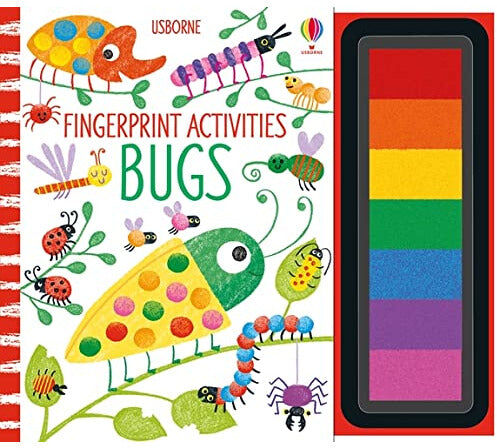
Usborne Fingerprint Activities: BugsThis entertaining book is bursting with ideas for fingerprinting lots of creepy crawlies, from bees and ladybirds to spiders and ants. Create scenes with hungry snails, wiggly worms, fluttering butterflies and lots more. With an inkpad of seven bright colours and a spiral binding so that the book lies flat.6,95 £*Shipping: 2,99 £Secure redirect to the provider
-
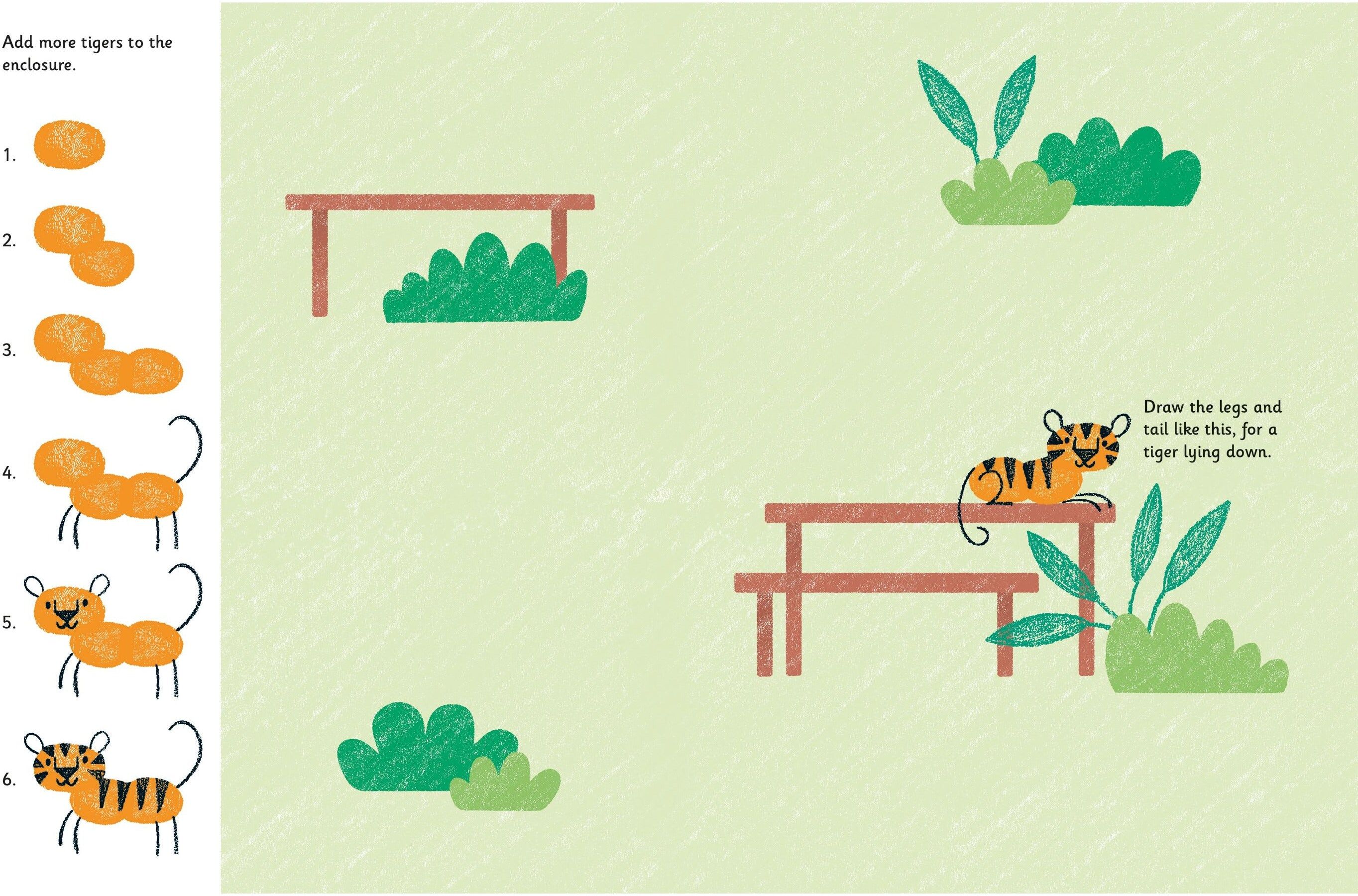
Usborne Fingerprint Activities ZooFingerprint Activities Zoo Fiona Watt Illustrated by Candice Whatmore This fun activity book is full of ideas for fingerprinting lots of different animals that you might see in a zoo. Print spots on a cheetah, hippos wallowing in a lake, stripes on lemurs' tails, koalas climbing trees and lots, lots more. Complete with seven bright ink pads to choose from. The spiral binding means that the book lies flat as you fill the pages with your own fingerprints.6,99 £*Shipping: 2,99 £Secure redirect to the provider
-
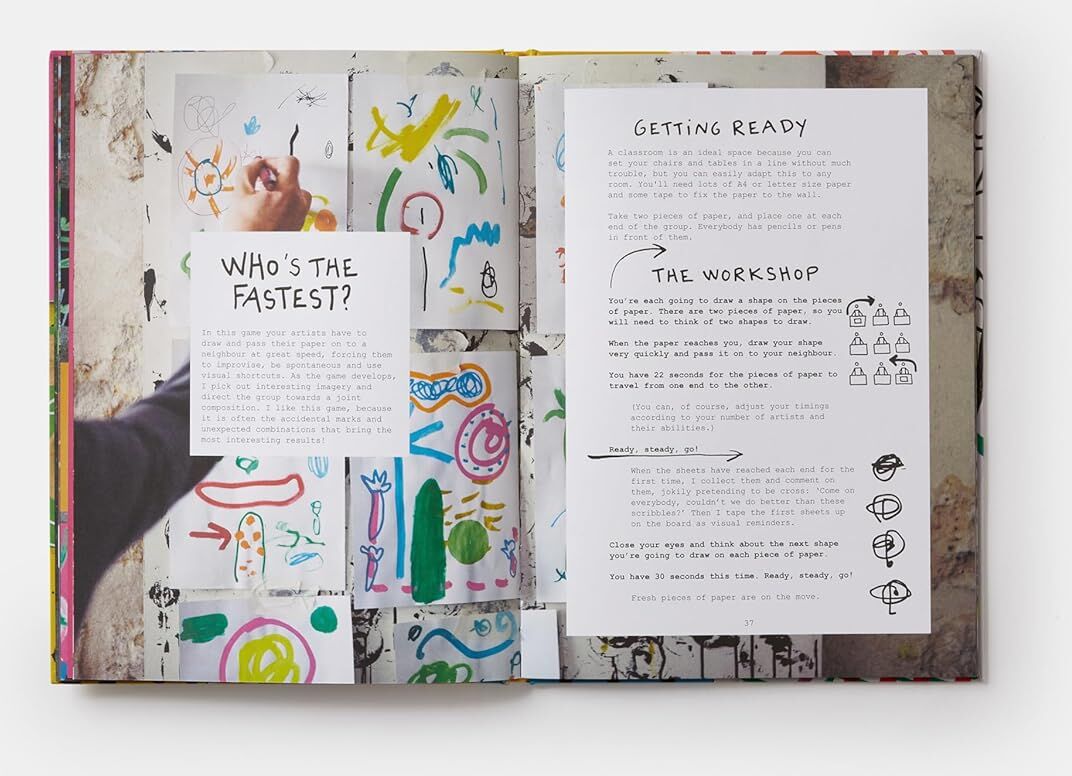
Phaidon Press Art Workshops For Children Hardback By Herve TulletArt Workshops For Children Hardback Description: Art Workshops for Children is a guide for parents and teachers to organize and execute artistic workshops for children. 12 workshops are featured; each offering a list of materials needed; a step by step guide to facilitation; practical tips; illustrated examples; and photos of workshops in progress. The workshops are designed to spark children's imaginations; champion group bonding; and give visually pleasing results with no artistic ability required. Tried and tested around the world by children of all ages. Perfect for organizing group events at home; in schools; at parties; at museums anywhere!10,99 £*Shipping: 2,99 £Secure redirect to the provider
-
IT 4 Consultancy FZCO My Summer Journal: Packed with fun journaling prompts, activities and scrapbooking pages to write and draw about all your summertime adventuresIt's summer! So what are you going to do, where are you going to go and how are you going to have the most awesome summer of your life? My Summer Journal will help you to plan your best summer yet. Packed with activities, scrapbooking pages, a summer bucket lilst, reading log and more, this journal will help you to keep a record of the most amazing summer of your life. Get ready for a truly awesome time!1,99 £*Shipping: 1,99 £Secure redirect to the provider

-
Why do mosses not have a vacuole?
Mosses do have vacuoles, which are membrane-bound organelles found in the cells of plants and other eukaryotic organisms. Vacuoles play a crucial role in storing nutrients, maintaining turgor pressure, and regulating the pH of the cell. Therefore, vacuoles are essential for the survival and function of mosses, just like in other plant species. **
-
What are ideas for leisure activities, outings, and excursions?
Some ideas for leisure activities, outings, and excursions include visiting a local museum or art gallery, going for a hike or nature walk in a nearby park, trying out a new restaurant or cafe, attending a live music or theater performance, or taking a day trip to a nearby town or city. Other options could include going to a sports game, exploring a farmers market, taking a cooking or art class, or simply spending a relaxing day at the beach or by the pool. Ultimately, the best leisure activities will depend on personal interests and preferences. **
-
What exactly is the generational change in mosses?
Generational change in mosses refers to the alternation of generations between the gametophyte and sporophyte stages in the moss life cycle. The gametophyte stage is the dominant and independent stage, where the moss plant produces gametes (eggs and sperm). When the gametes fuse, they form a zygote that develops into the sporophyte stage, which remains attached to the gametophyte and produces spores through meiosis. These spores then disperse and germinate into new gametophyte plants, completing the cycle. This alternation of generations allows for genetic diversity and adaptation in moss populations. **
-
What are some ideas for leisure activities, outings, and excursions?
Some ideas for leisure activities, outings, and excursions include visiting a local museum or art gallery, going for a hike in a nearby nature reserve, trying out a new restaurant or café, attending a live music or theater performance, or taking a day trip to a nearby town or city. Other options could include going to a farmers' market, exploring a botanical garden, participating in a cooking class, or simply spending a day at the beach or park. The key is to choose activities that interest you and provide a break from your usual routine. **
How do seeds differ from spores, when mosses and ferns are spore-bearing plants?
Seeds are the reproductive structures of seed-bearing plants, while spores are the reproductive structures of spore-bearing plants like mosses and ferns. Seeds are produced within the ovary of a flower and contain an embryo, stored food, and a protective seed coat. Spores, on the other hand, are single-celled reproductive structures that are produced in sporangia and are dispersed by wind or water. In mosses and ferns, spores are released from sporangia and develop into gametophytes, which then produce eggs and sperm for sexual reproduction. **
Are algae from freshwater or the sea kosher? What about lichens, ferns, mosses, and sponges?
Algae from freshwater or the sea are generally considered kosher, as they are plant-like organisms that do not have blood or require ritual slaughter. Lichens, ferns, and mosses are also considered kosher, as they are non-flowering plants that do not have the characteristics of non-kosher animals. Sponges, however, are not considered kosher, as they are multicellular animals and do not meet the criteria for kosher consumption. **
Top-Angebote
Products related to Mosses:
-
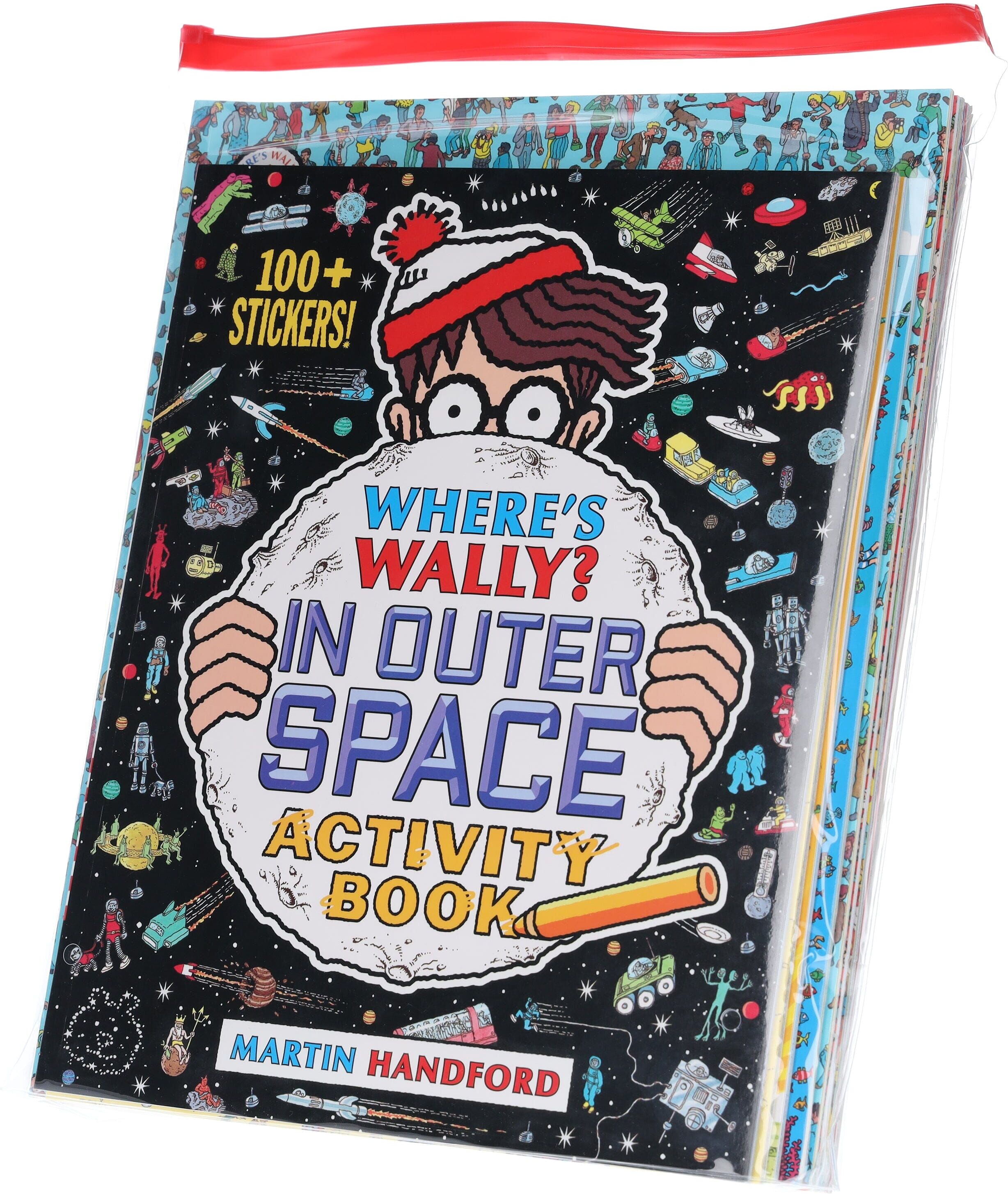
Where's Wally Amazing Adventures and Activities 8 Books Bag Collection By Martin Handford - Ages 5-7 - Paperback Walker Books LtdThere are no other activity books quite like this. Where's Wally books are the ultimate boredom buster that can't be beaten. First published back in 1987, a phenomenal 73 million copies of search and find Where's Wally books have been sold worldwide. Unsurprisingly, this cleverly crafted set of books manages to engage children and set them on a challenge that could keep them guessing for quite some time! A great activity book for when you're on the go, Where's Wally books feature Wally in all sorts of adventures and locations. It's up to kids to find the fun-loving Wally on every page, with difficulty increasing as the books go on. Where's Wally books are the ideal place to start kids off with activity or adventure books. The original book kick-started the worldwide Wally phenomenon! Search for Wally and his friends as they hike worldwide - on the beach, at the train station, and even at sea. Where's Wally books include every intricately-detailed scene you can possibly imagine - and there are lots of other things to look for too. An excellent choice for both parents and children, the Where's Wally books guarantee hours of fun and games for every family. Where's Wally is perfect for children of all ages and abilities due to the easy-to-follow search and find goals. Making them great books to do as a family or to keep your little ones busy during long journeys. Titles In This Set: Where's Wally Now? Where's Wally? The Fantastic Journey Where's Wally? In Outer Space: Activity Book Where's Wally? At Sea: Activity Book Where's Wally? Across Lands: Activity Book Where's Wally? Takes Flight: Activity Book Where's Wally? Where's Wally? In Hollywood Search and find books, like the popular Where's Wally series, has become increasingly popular in recent years. These books challenge readers to find hidden objects or characters within detailed and colourful illustrations. They provide a fun and engaging way for readers to develop their observation skills and attention to detail. Overall, search and find books have become a beloved genre of literature for all ages. They offer a fun and engaging way for readers to develop their observation skills while providing hours of entertainment. With this genre's growing popularity, we will likely continue to see new and exciting search-and-find books hitting the shelves in the years to come. About the author: Martin Handford is a British illustrator and the creator of the popular book series Where's Wally, which has sold over 72 million copies worldwide. Handford was born in London in 1956 and grew up in the seaside town of Hastings, England. As a child, Handford loved to draw and would spend hours creating intricate drawings of his favourite subjects. After completing his education at the University of Brighton, Handford began his career as a freelance illustrator. He worked on a variety of projects, including advertisements and children's books. However, it wasn't until he created Where's Wally that he became a...13,99 £*Shipping: 2,99 £Secure redirect to the provider
-
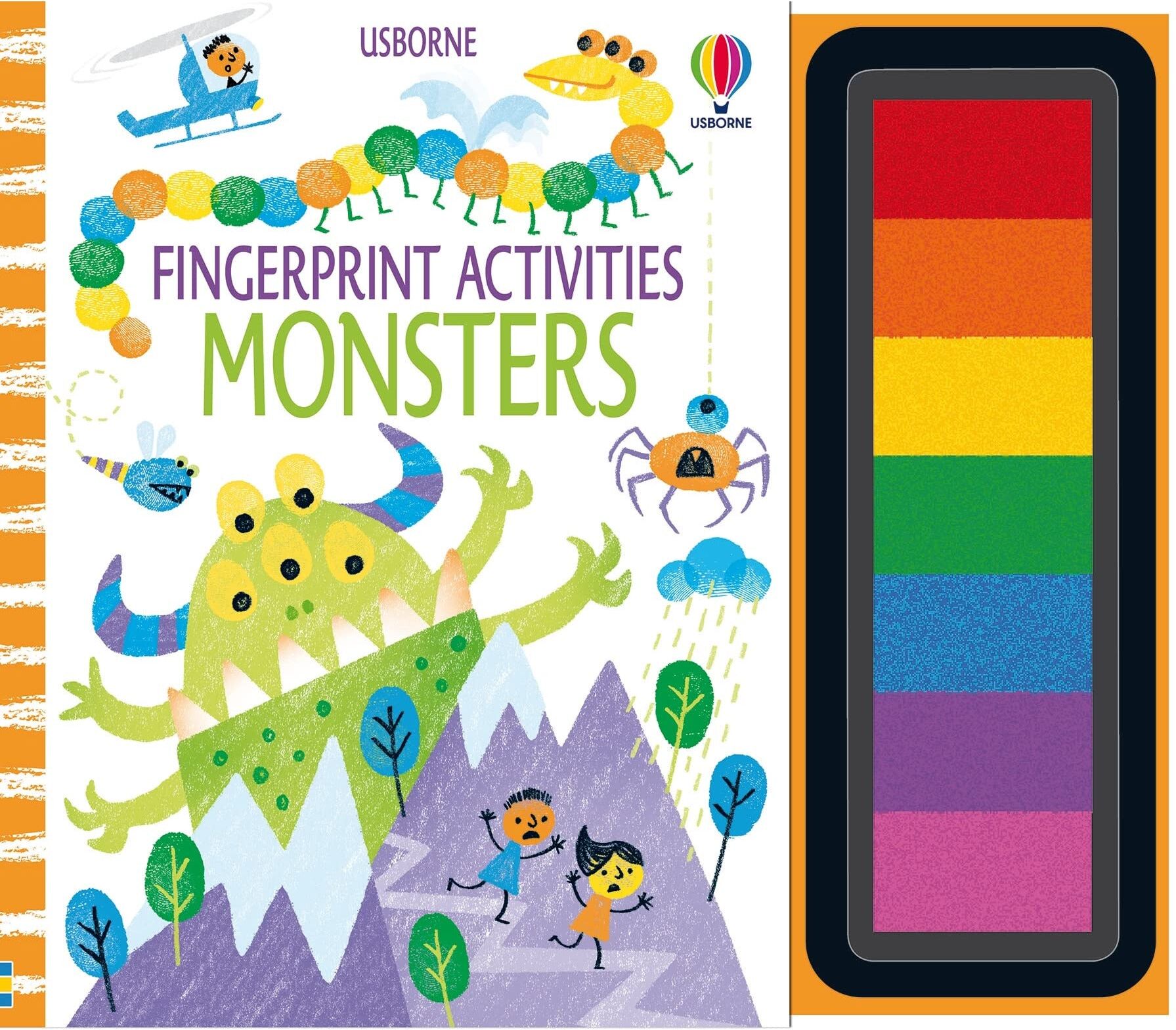
Usborne Fingerprint Activities: MonstersFollow the simple step-by-step ideas to fill the pages in the book with monsters of all shapes and sizes. There's no need to buy paints or inks, just use the seven bright colours on the inkpad attached to the back cover.5,99 £*Shipping: 2,99 £Secure redirect to the provider
-
Usborne Fingerprint Activities: BugsThis entertaining book is bursting with ideas for fingerprinting lots of creepy crawlies, from bees and ladybirds to spiders and ants. Create scenes with hungry snails, wiggly worms, fluttering butterflies and lots more. With an inkpad of seven bright colours and a spiral binding so that the book lies flat.6,95 £*Shipping: 2,99 £Secure redirect to the provider
-
Usborne Fingerprint Activities ZooFingerprint Activities Zoo Fiona Watt Illustrated by Candice Whatmore This fun activity book is full of ideas for fingerprinting lots of different animals that you might see in a zoo. Print spots on a cheetah, hippos wallowing in a lake, stripes on lemurs' tails, koalas climbing trees and lots, lots more. Complete with seven bright ink pads to choose from. The spiral binding means that the book lies flat as you fill the pages with your own fingerprints.6,99 £*Shipping: 2,99 £Secure redirect to the provider
-
What are mosses and ferns?
Mosses and ferns are both types of non-flowering plants that reproduce through spores rather than seeds. Mosses are small, simple plants that typically grow in dense green clumps or mats in damp or shady environments. They have no true roots, stems, or leaves, and instead absorb water and nutrients through their thin, thread-like structures. Ferns, on the other hand, are larger and more complex plants with roots, stems, and leaves. They are known for their distinctive fronds and are commonly found in moist, shady areas. Both mosses and ferns play important roles in their ecosystems, providing habitat for other organisms and helping to regulate the environment. **
-
Why do mosses like sugar and yogurt?
Mosses like sugar and yogurt because they contain nutrients that mosses can use for growth and energy. Sugar provides a source of carbohydrates, which mosses can break down and use as fuel for their metabolic processes. Yogurt contains beneficial bacteria and other microorganisms that can help mosses thrive by providing essential nutrients and promoting a healthy environment for their growth. Overall, sugar and yogurt can provide mosses with the necessary resources to support their survival and development. **
-
Why do mosses not have a vacuole?
Mosses do have vacuoles, which are membrane-bound organelles found in the cells of plants and other eukaryotic organisms. Vacuoles play a crucial role in storing nutrients, maintaining turgor pressure, and regulating the pH of the cell. Therefore, vacuoles are essential for the survival and function of mosses, just like in other plant species. **
-
What are ideas for leisure activities, outings, and excursions?
Some ideas for leisure activities, outings, and excursions include visiting a local museum or art gallery, going for a hike or nature walk in a nearby park, trying out a new restaurant or cafe, attending a live music or theater performance, or taking a day trip to a nearby town or city. Other options could include going to a sports game, exploring a farmers market, taking a cooking or art class, or simply spending a relaxing day at the beach or by the pool. Ultimately, the best leisure activities will depend on personal interests and preferences. **
Similar search terms for Mosses
-
Phaidon Press Art Workshops For Children Hardback By Herve TulletArt Workshops For Children Hardback Description: Art Workshops for Children is a guide for parents and teachers to organize and execute artistic workshops for children. 12 workshops are featured; each offering a list of materials needed; a step by step guide to facilitation; practical tips; illustrated examples; and photos of workshops in progress. The workshops are designed to spark children's imaginations; champion group bonding; and give visually pleasing results with no artistic ability required. Tried and tested around the world by children of all ages. Perfect for organizing group events at home; in schools; at parties; at museums anywhere!10,99 £*Shipping: 2,99 £Secure redirect to the provider
-
IT 4 Consultancy FZCO My Summer Journal: Packed with fun journaling prompts, activities and scrapbooking pages to write and draw about all your summertime adventuresIt's summer! So what are you going to do, where are you going to go and how are you going to have the most awesome summer of your life? My Summer Journal will help you to plan your best summer yet. Packed with activities, scrapbooking pages, a summer bucket lilst, reading log and more, this journal will help you to keep a record of the most amazing summer of your life. Get ready for a truly awesome time!1,99 £*Shipping: 1,99 £Secure redirect to the provider
-
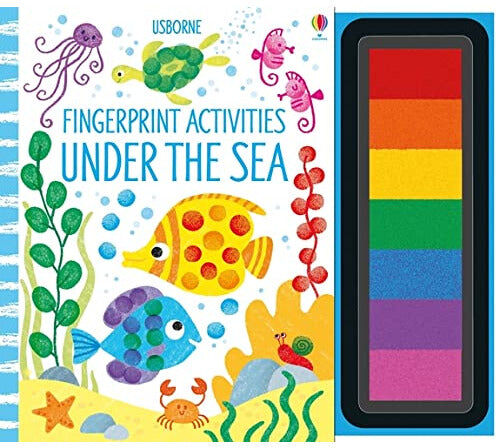
Usborne Fingerprint Activities: Under the SeaBursting with fun fingerprinting ideas, this colourful activity book comes with its own inkpad of seven bright colours. Decorate the underwater scenes with sharks, seahorses, narwhals, penguins and even a sunken ship. There are simple instructions showing how to fingerprint each creature and the book has a spiral binding so that it lies flat.6,99 £*Shipping: 2,99 £Secure redirect to the provider
-
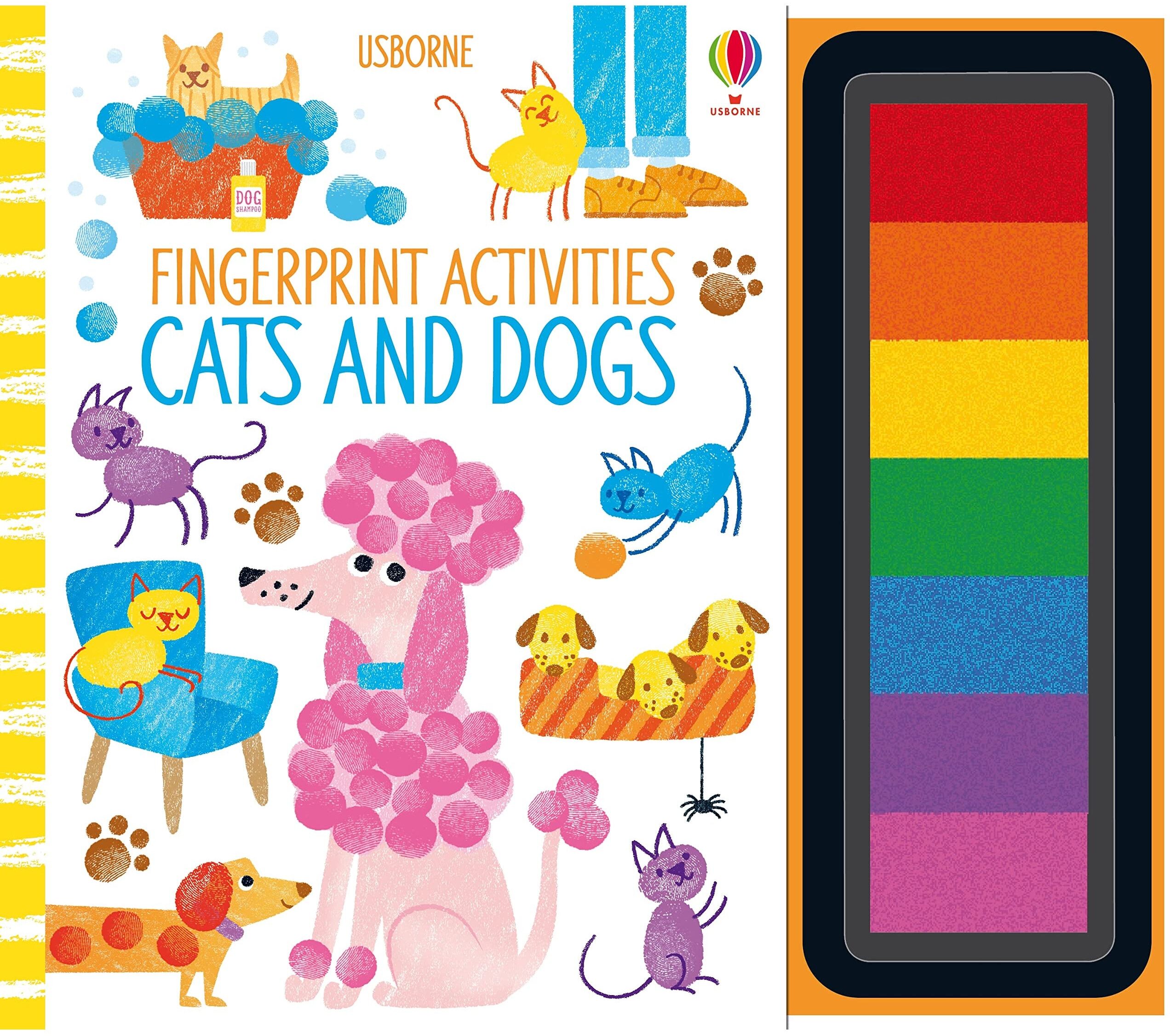
Usborne Fingerprint Activities: Cats and DogsThis book, with its own brightly coloured inkpad of seven colours, is bursting with ideas for fingerprinting cats and dogs, puppies and kittens. Each page has step by step instructions, pictures to complete and lots of space for fingerprinting. With a spiral binding so the book lies flat to make it easy for children to create delightful pictures.7,99 £*Shipping: 2,99 £Secure redirect to the provider
-
What exactly is the generational change in mosses?
Generational change in mosses refers to the alternation of generations between the gametophyte and sporophyte stages in the moss life cycle. The gametophyte stage is the dominant and independent stage, where the moss plant produces gametes (eggs and sperm). When the gametes fuse, they form a zygote that develops into the sporophyte stage, which remains attached to the gametophyte and produces spores through meiosis. These spores then disperse and germinate into new gametophyte plants, completing the cycle. This alternation of generations allows for genetic diversity and adaptation in moss populations. **
-
What are some ideas for leisure activities, outings, and excursions?
Some ideas for leisure activities, outings, and excursions include visiting a local museum or art gallery, going for a hike in a nearby nature reserve, trying out a new restaurant or café, attending a live music or theater performance, or taking a day trip to a nearby town or city. Other options could include going to a farmers' market, exploring a botanical garden, participating in a cooking class, or simply spending a day at the beach or park. The key is to choose activities that interest you and provide a break from your usual routine. **
-
How do seeds differ from spores, when mosses and ferns are spore-bearing plants?
Seeds are the reproductive structures of seed-bearing plants, while spores are the reproductive structures of spore-bearing plants like mosses and ferns. Seeds are produced within the ovary of a flower and contain an embryo, stored food, and a protective seed coat. Spores, on the other hand, are single-celled reproductive structures that are produced in sporangia and are dispersed by wind or water. In mosses and ferns, spores are released from sporangia and develop into gametophytes, which then produce eggs and sperm for sexual reproduction. **
-
Are algae from freshwater or the sea kosher? What about lichens, ferns, mosses, and sponges?
Algae from freshwater or the sea are generally considered kosher, as they are plant-like organisms that do not have blood or require ritual slaughter. Lichens, ferns, and mosses are also considered kosher, as they are non-flowering plants that do not have the characteristics of non-kosher animals. Sponges, however, are not considered kosher, as they are multicellular animals and do not meet the criteria for kosher consumption. **
* All prices are inclusive of VAT and, if applicable, plus shipping costs. The offer information is based on the details provided by the respective shop and is updated through automated processes. Real-time updates do not occur, so deviations can occur in individual cases. ** Note: Parts of this content were created by AI.