Buy ferienpass.eu ?
We are moving the project
ferienpass.eu .
Are you interested in purchasing the domain
ferienpass.eu ?
domain@kv-gmbh.de · 0541-91531010
Buy ferienpass.eu ?
How do alcoholic fermentation and lactic acid fermentation differ?
Alcoholic fermentation and lactic acid fermentation are both forms of anaerobic respiration that produce energy in the absence of oxygen. The main difference between the two is the end products they produce. Alcoholic fermentation produces ethanol and carbon dioxide, while lactic acid fermentation produces lactic acid. Additionally, alcoholic fermentation is commonly used in the production of alcoholic beverages, while lactic acid fermentation is used in the production of dairy products like yogurt and cheese. **
What are ideas for leisure activities, outings, and excursions?
Some ideas for leisure activities, outings, and excursions include visiting a local museum or art gallery, going for a hike or nature walk in a nearby park, trying out a new restaurant or cafe, attending a live music or theater performance, or taking a day trip to a nearby town or city. Other options could include going to a sports game, exploring a farmers market, taking a cooking or art class, or simply spending a relaxing day at the beach or by the pool. Ultimately, the best leisure activities will depend on personal interests and preferences. **


Similar search terms for Fermentation
Top-Angebote
Products related to Fermentation:
-
Benton Fermentation Eye Cream 30mlHealth and Beauty Creams Benton Fermentation Eye Cream 30ml Anti-aging eye contour that helps prevent and treat the signs of aging. The skin around the eyes is one of the most sensitive and delicate. Therefore, the treatment that we apply in this area must be formulated with the best ingredients. This Benton eye cream contains fermented galactomyces, a very powerful natural ingredient to combat wrinkles and expression lines and improve skin elasticity. In addition, it contains macadamia oil, aloe vera, hyaluronic acid and ceramides that help hydrate and soothe the skin. How to use: - You only need two grains of rice, one for each eye! - Distribute them gently around the eyes and in the arch of the eyebrows. You don't have to massage it in, just let your skin absorb the product on its own!30,95 £*Shipping: 3,99 £Secure redirect to the provider
-
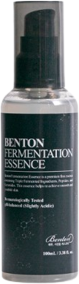
Benton Fermentation Essence 100 mlHealth and Beauty Serums Benton Fermentation Essence 100 ml Essence with galactomyces and ceramides for mature skin. The high concentration of fermented ingredients with which this essence is formulated allows for extraordinary results in the treatment of wrinkles and expression lines. Its main ingredient is fermented galactomyces, a fungus that helps to restore the skin and recover the shine and elasticity that is lost over time. In addition, it contains other ingredients such as hyaluronic acid and ceramides, which are responsible for deeply moisturizing and nourishing the skin to help reduce the signs of aging. It does not contain any type of fragrance or artificial colouring. How to use: Pour two pumps of the essence into the palm of your hands and apply, dabbing, to the face, neck and décolleté. Press the palms well to help the product penetrate better and absorb more quickly.30,95 £*Shipping: 3,99 £Secure redirect to the provider
-
Penguin Life Adventures in Fermentation: From Ancient Origins to Culinary Frontiers - Non Fiction - PaperbackTitle:. Adventures in Fermentation: From Ancient Origins to Culinary Frontiers, an Exploration of the Microbes That Shape the World We Live In Overview:. Adventures in Fermentation invites readers to step into a world where invisible microbes transform everyday ingredients into surprising flavors, textures, and aromas. Tracing fermentation from ancient origins to culinary frontiers, this non-fiction journey blends history, science, and kitchen practice into a single, readable narrative. The author reveals how cultures around the globe used fermentation not only to preserve food but to build identity, share traditions, and spark innovation. You’ll meet the yeast, bacteria, and molds at work behind bread, yogurt, miso, kimchi, beer, sourdough, and vegetable ferments, explained in clear terms without sacrificing nuance. Each chapter weaves practical guidance with fascinating anecdotes—how to create a safe home fermentation project, how to read signs of healthy microbial activity, and how small changes in temperature, salt, or time can unlock dramatic flavor shifts. The writing is accessible for curious newcomers, while still offering deeper insights for readers with a science background. The book also features helpful diagrams, a glossary of key terms, and thoughtful sidebars that connect microbiology to nutrition, sustainability, and global food culture. What Makes This Book Stand Out:. What makes Adventures in Fermentation distinct is its dual promise: to teach practical technique and to illuminate cultural meaning. It does not reduce fermentation to a one-size-fits-all method; instead it shows how different microbes create different outcomes, depending on ingredients, climate, and intention. The author’s voice is warm and inviting, turning laboratory concepts into kitchen-friendly rules of thumb—salt concentration, fermentation time, and safe handling—without dumbing down the science. You’ll explore historical case studies that reveal how civilizations leveraged fermentation to extend harvests, build trade networks, and craft iconic dishes. The book also emphasizes flavor, teaching you to discern aroma profiles, texture evolution, and the balance of sour, salty, and umami notes. Readers will finish with a reliable framework for planning their own fermentation experiments, a richer appreciation for ordinary ingredients, and a renewed sense that microbes are not just science; they’re culinary co-authors of our meals. Who This Book Is Perfect For:. This book is perfect for curious cooks who want to broaden their palate and their pantry, students studying microbiology or food history, teachers designing engaging science lessons, and gift buyers seeking a standout non-fiction title. It suits readers who enjoy hands-on projects as well as those who love global cuisines and the stories behind everyday staples—from sourdough to soy sauce. It’s ideal for households exploring sustainable cooking and for anyone who wants to understand how fermentation can...20,00 £*Shipping: 2,99 £Secure redirect to the provider
-
DK A Year of Fermentation: A Seasonal Guide to the Art & Science of Fermentation - Non Fiction - PaperbackTitle:. A Year of Fermentation: A Seasonal Guide to the Art & Science of Fermentation Format: Paperback Overview:. Culturing has quietly become one of the most rewarding practices for home cooks, wellness enthusiasts, and sustainability advocates alike, effectively bridging ancient preservation traditions with modern nutritional science. This comprehensive paperback volume serves as a complete seasonal companion for anyone eager to master the craft of turning fresh produce and pantry staples into flavourful, probiotic-rich foods. Rather than relying on rigid recipes alone, the guide maps out the fermentation calendar, aligning kitchen projects with nature’s rhythm so that spring greens, summer harvests, autumn root vegetables, and winter brassicas are transformed at their absolute peak. Every stage is explained through accessible scientific breakdowns that demystify microbial activity, pH balance, and safe handling, while the culinary sections offer adaptable frameworks rather than prescriptive instructions. Readers gain a systematic approach to salt-brining, lacto-fermenting, koji crafting, and vinegar making, with storage and troubleshooting advice woven throughout. Whether you are seeking to reduce kitchen waste, boost digestive health, or simply elevate everyday meals with complex savoury notes, this seasonally structured manual provides a reliable foundation. The text prioritises clarity over complexity, presenting laboratory-level precision in a format that welcomes complete beginners and seasoned fermenters alike. What Makes This Book Stand Out:. Most fermentation manuals either overload readers with dense microbiology lectures or strip away all technical guidance, leaving users guessing about safety and consistency. This publication deliberately bridges that gap by treating every jar as a controlled experiment wrapped in culinary creativity. The seasonal framework sets it apart from other reference books, encouraging readers to work with ingredients as they naturally ripen rather than forcing off-season substitutes that rarely develop ideal flavour profiles. Each chapter includes clear visual cues for tracking progress, practical temperature management tips, and water-basting alternatives for those who prefer minimal equipment. The writing avoids romanticised nostalgia, instead offering evidence-based techniques that preserve nutrient density, develop robust cultures, and prevent unwanted spoilage. Readers benefit from cross-referenced tables that clarify brine concentrations for different vegetables, grain-based ferments, dairy products, and fruit shrubs. By separating beginner-friendly starter batches from advanced ageing projects, the guide allows readers to scale their practice organically. The layout also anticipates common failures—such as surface scum, pungent odours, or sluggish bubbling—and provides immediate corrective actions. This methodical yet flexible approach means the book remains relevant year after year, functioning...25,00 £*Shipping: 2,99 £Secure redirect to the provider



-
What are some ideas for leisure activities, outings, and excursions?
Some ideas for leisure activities, outings, and excursions include visiting a local museum or art gallery, going for a hike in a nearby nature reserve, trying out a new restaurant or café, attending a live music or theater performance, or taking a day trip to a nearby town or city. Other options could include going to a farmers' market, exploring a botanical garden, participating in a cooking class, or simply spending a day at the beach or park. The key is to choose activities that interest you and provide a break from your usual routine. **
-
What is alcoholic fermentation?
Alcoholic fermentation is a metabolic process carried out by yeast and some bacteria in the absence of oxygen. During this process, sugars such as glucose are converted into ethanol and carbon dioxide, along with energy in the form of adenosine triphosphate (ATP). This process is commonly used in the production of alcoholic beverages such as beer, wine, and spirits. **
-
Mold or simple fermentation layer?
Determining whether a substance has mold or a simple fermentation layer can be done by examining its appearance and smell. Mold typically appears fuzzy or powdery and can be various colors like green, white, or black. It also often has a musty or unpleasant odor. On the other hand, a simple fermentation layer may appear as a thin film or bubbles on the surface of the substance and usually has a sour or tangy smell. It is important to exercise caution when dealing with mold as it can be harmful if ingested. **
-
What is the difference between glycolysis, lactic acid fermentation, alcoholic fermentation, and cellular respiration?
Glycolysis is the first step in cellular respiration, where glucose is broken down into pyruvate. Lactic acid fermentation occurs when there is not enough oxygen present, and pyruvate is converted into lactic acid. Alcoholic fermentation also occurs when there is not enough oxygen present, and pyruvate is converted into ethanol and carbon dioxide. Cellular respiration is the overall process that includes glycolysis, the Krebs cycle, and the electron transport chain, where glucose is fully broken down to produce ATP, the energy currency of the cell. **


What is fermentation in baked goods?
Fermentation in baked goods is the process where yeast or bacteria break down sugars in the dough, producing carbon dioxide gas and alcohol. This gas causes the dough to rise, resulting in a light and airy texture in the finished product. Fermentation also develops flavor in the dough as the yeast or bacteria produce organic acids and other compounds during the process. **
How is methane produced through fermentation?
Methane is produced through fermentation by a group of microorganisms called methanogens. These microorganisms break down organic matter in an anaerobic (oxygen-free) environment, such as in wetlands, landfills, or the digestive systems of animals. During the fermentation process, methanogens convert the organic matter into methane gas and carbon dioxide. This methane gas can then be captured and used as a renewable energy source. **
Top-Angebote
Products related to Fermentation:
-
Kilner Fermentation SetCreate delicious fermented foods with the Kilner Fermentation Set. Fermenting food is a relatively straight forward process - slice your favourite vegetable and combine with salt and water and then leave for 4-6 weeks. Ideal for creating live cultures of pickles, kimchi and sauerkraut. As well as tasting fantastic it is also packed full of probiotic cultures, minerals and vitamins. The Kilner Fermentation set includes a 3 litre glass jar with a silicone push-top lid with an air-lock and bung set. Also included are two ceramic pebbles (to help keep the vegetables submerged) and an instruction and recipe booklet to help get you started. Dishwasher safe. Capacity: 3 litres. Dimensions: W 12.7cm x H 30cm x L 26cm.26,95 £*Shipping: 3,50 £Secure redirect to the provider
-
Benton Fermentation Essence 100mLA cleansing product for sensitive skin. Protects the skin from external aggressions and also relieves irritation due to the presence of ceramides that strengthen the skin barrier. The active ingredients are:. Galactomyces Ferment Filtrate -Hydrates. Bifida Ferment Lysate - Activates the cell renewal of the skin itself.17,19 £*Shipping: 5,16 £Secure redirect to the provider
-
Benton Fermentation Eye Cream 30mlHealth and Beauty Creams Benton Fermentation Eye Cream 30ml Anti-aging eye contour that helps prevent and treat the signs of aging. The skin around the eyes is one of the most sensitive and delicate. Therefore, the treatment that we apply in this area must be formulated with the best ingredients. This Benton eye cream contains fermented galactomyces, a very powerful natural ingredient to combat wrinkles and expression lines and improve skin elasticity. In addition, it contains macadamia oil, aloe vera, hyaluronic acid and ceramides that help hydrate and soothe the skin. How to use: - You only need two grains of rice, one for each eye! - Distribute them gently around the eyes and in the arch of the eyebrows. You don't have to massage it in, just let your skin absorb the product on its own!30,95 £*Shipping: 3,99 £Secure redirect to the provider
-
Benton Fermentation Essence 100 mlHealth and Beauty Serums Benton Fermentation Essence 100 ml Essence with galactomyces and ceramides for mature skin. The high concentration of fermented ingredients with which this essence is formulated allows for extraordinary results in the treatment of wrinkles and expression lines. Its main ingredient is fermented galactomyces, a fungus that helps to restore the skin and recover the shine and elasticity that is lost over time. In addition, it contains other ingredients such as hyaluronic acid and ceramides, which are responsible for deeply moisturizing and nourishing the skin to help reduce the signs of aging. It does not contain any type of fragrance or artificial colouring. How to use: Pour two pumps of the essence into the palm of your hands and apply, dabbing, to the face, neck and décolleté. Press the palms well to help the product penetrate better and absorb more quickly.30,95 £*Shipping: 3,99 £Secure redirect to the provider
-
How do alcoholic fermentation and lactic acid fermentation differ?
Alcoholic fermentation and lactic acid fermentation are both forms of anaerobic respiration that produce energy in the absence of oxygen. The main difference between the two is the end products they produce. Alcoholic fermentation produces ethanol and carbon dioxide, while lactic acid fermentation produces lactic acid. Additionally, alcoholic fermentation is commonly used in the production of alcoholic beverages, while lactic acid fermentation is used in the production of dairy products like yogurt and cheese. **
-
What are ideas for leisure activities, outings, and excursions?
Some ideas for leisure activities, outings, and excursions include visiting a local museum or art gallery, going for a hike or nature walk in a nearby park, trying out a new restaurant or cafe, attending a live music or theater performance, or taking a day trip to a nearby town or city. Other options could include going to a sports game, exploring a farmers market, taking a cooking or art class, or simply spending a relaxing day at the beach or by the pool. Ultimately, the best leisure activities will depend on personal interests and preferences. **
-
What are some ideas for leisure activities, outings, and excursions?
Some ideas for leisure activities, outings, and excursions include visiting a local museum or art gallery, going for a hike in a nearby nature reserve, trying out a new restaurant or café, attending a live music or theater performance, or taking a day trip to a nearby town or city. Other options could include going to a farmers' market, exploring a botanical garden, participating in a cooking class, or simply spending a day at the beach or park. The key is to choose activities that interest you and provide a break from your usual routine. **
-
What is alcoholic fermentation?
Alcoholic fermentation is a metabolic process carried out by yeast and some bacteria in the absence of oxygen. During this process, sugars such as glucose are converted into ethanol and carbon dioxide, along with energy in the form of adenosine triphosphate (ATP). This process is commonly used in the production of alcoholic beverages such as beer, wine, and spirits. **
Similar search terms for Fermentation
-
Penguin Life Adventures in Fermentation: From Ancient Origins to Culinary Frontiers - Non Fiction - PaperbackTitle:. Adventures in Fermentation: From Ancient Origins to Culinary Frontiers, an Exploration of the Microbes That Shape the World We Live In Overview:. Adventures in Fermentation invites readers to step into a world where invisible microbes transform everyday ingredients into surprising flavors, textures, and aromas. Tracing fermentation from ancient origins to culinary frontiers, this non-fiction journey blends history, science, and kitchen practice into a single, readable narrative. The author reveals how cultures around the globe used fermentation not only to preserve food but to build identity, share traditions, and spark innovation. You’ll meet the yeast, bacteria, and molds at work behind bread, yogurt, miso, kimchi, beer, sourdough, and vegetable ferments, explained in clear terms without sacrificing nuance. Each chapter weaves practical guidance with fascinating anecdotes—how to create a safe home fermentation project, how to read signs of healthy microbial activity, and how small changes in temperature, salt, or time can unlock dramatic flavor shifts. The writing is accessible for curious newcomers, while still offering deeper insights for readers with a science background. The book also features helpful diagrams, a glossary of key terms, and thoughtful sidebars that connect microbiology to nutrition, sustainability, and global food culture. What Makes This Book Stand Out:. What makes Adventures in Fermentation distinct is its dual promise: to teach practical technique and to illuminate cultural meaning. It does not reduce fermentation to a one-size-fits-all method; instead it shows how different microbes create different outcomes, depending on ingredients, climate, and intention. The author’s voice is warm and inviting, turning laboratory concepts into kitchen-friendly rules of thumb—salt concentration, fermentation time, and safe handling—without dumbing down the science. You’ll explore historical case studies that reveal how civilizations leveraged fermentation to extend harvests, build trade networks, and craft iconic dishes. The book also emphasizes flavor, teaching you to discern aroma profiles, texture evolution, and the balance of sour, salty, and umami notes. Readers will finish with a reliable framework for planning their own fermentation experiments, a richer appreciation for ordinary ingredients, and a renewed sense that microbes are not just science; they’re culinary co-authors of our meals. Who This Book Is Perfect For:. This book is perfect for curious cooks who want to broaden their palate and their pantry, students studying microbiology or food history, teachers designing engaging science lessons, and gift buyers seeking a standout non-fiction title. It suits readers who enjoy hands-on projects as well as those who love global cuisines and the stories behind everyday staples—from sourdough to soy sauce. It’s ideal for households exploring sustainable cooking and for anyone who wants to understand how fermentation can...20,00 £*Shipping: 2,99 £Secure redirect to the provider
-
DK A Year of Fermentation: A Seasonal Guide to the Art & Science of Fermentation - Non Fiction - PaperbackTitle:. A Year of Fermentation: A Seasonal Guide to the Art & Science of Fermentation Format: Paperback Overview:. Culturing has quietly become one of the most rewarding practices for home cooks, wellness enthusiasts, and sustainability advocates alike, effectively bridging ancient preservation traditions with modern nutritional science. This comprehensive paperback volume serves as a complete seasonal companion for anyone eager to master the craft of turning fresh produce and pantry staples into flavourful, probiotic-rich foods. Rather than relying on rigid recipes alone, the guide maps out the fermentation calendar, aligning kitchen projects with nature’s rhythm so that spring greens, summer harvests, autumn root vegetables, and winter brassicas are transformed at their absolute peak. Every stage is explained through accessible scientific breakdowns that demystify microbial activity, pH balance, and safe handling, while the culinary sections offer adaptable frameworks rather than prescriptive instructions. Readers gain a systematic approach to salt-brining, lacto-fermenting, koji crafting, and vinegar making, with storage and troubleshooting advice woven throughout. Whether you are seeking to reduce kitchen waste, boost digestive health, or simply elevate everyday meals with complex savoury notes, this seasonally structured manual provides a reliable foundation. The text prioritises clarity over complexity, presenting laboratory-level precision in a format that welcomes complete beginners and seasoned fermenters alike. What Makes This Book Stand Out:. Most fermentation manuals either overload readers with dense microbiology lectures or strip away all technical guidance, leaving users guessing about safety and consistency. This publication deliberately bridges that gap by treating every jar as a controlled experiment wrapped in culinary creativity. The seasonal framework sets it apart from other reference books, encouraging readers to work with ingredients as they naturally ripen rather than forcing off-season substitutes that rarely develop ideal flavour profiles. Each chapter includes clear visual cues for tracking progress, practical temperature management tips, and water-basting alternatives for those who prefer minimal equipment. The writing avoids romanticised nostalgia, instead offering evidence-based techniques that preserve nutrient density, develop robust cultures, and prevent unwanted spoilage. Readers benefit from cross-referenced tables that clarify brine concentrations for different vegetables, grain-based ferments, dairy products, and fruit shrubs. By separating beginner-friendly starter batches from advanced ageing projects, the guide allows readers to scale their practice organically. The layout also anticipates common failures—such as surface scum, pungent odours, or sluggish bubbling—and provides immediate corrective actions. This methodical yet flexible approach means the book remains relevant year after year, functioning...25,00 £*Shipping: 2,99 £Secure redirect to the provider
-
Uplifted Finds Pickle And Olive Hourglass Strainer Jar & Airtight Fermentation Container Pickle And Olive Hourglass Strainer Jar & Airtight Fermentation ContainerTake absolute control of your refrigerator real estate and establish flawless structural order over your brined condiments with this premium hourglass pickle and fermentation container. Masterfully engineered with an innovative dualcompartment...80,97 $*Shipping: 0,00 $Secure redirect to the provider
-
Inspired Finds FlipDrain Dry & Wet Separation Pickle Jar Kitchen Fermentation & Storage Container FlipDrain Dry & Wet Separation Pickle Jar Kitchen Fermentation & Storage ContainerTransform the way you store pickles, kimchi, and marinated foods with this smart pickle jar with strainer designed for effortless access and freshness. The innovative dry and wet separation design allows you to flip the container to drain brine away...55,99 $*Shipping: 0,00 $Secure redirect to the provider
-
Mold or simple fermentation layer?
Determining whether a substance has mold or a simple fermentation layer can be done by examining its appearance and smell. Mold typically appears fuzzy or powdery and can be various colors like green, white, or black. It also often has a musty or unpleasant odor. On the other hand, a simple fermentation layer may appear as a thin film or bubbles on the surface of the substance and usually has a sour or tangy smell. It is important to exercise caution when dealing with mold as it can be harmful if ingested. **
-
What is the difference between glycolysis, lactic acid fermentation, alcoholic fermentation, and cellular respiration?
Glycolysis is the first step in cellular respiration, where glucose is broken down into pyruvate. Lactic acid fermentation occurs when there is not enough oxygen present, and pyruvate is converted into lactic acid. Alcoholic fermentation also occurs when there is not enough oxygen present, and pyruvate is converted into ethanol and carbon dioxide. Cellular respiration is the overall process that includes glycolysis, the Krebs cycle, and the electron transport chain, where glucose is fully broken down to produce ATP, the energy currency of the cell. **
-
What is fermentation in baked goods?
Fermentation in baked goods is the process where yeast or bacteria break down sugars in the dough, producing carbon dioxide gas and alcohol. This gas causes the dough to rise, resulting in a light and airy texture in the finished product. Fermentation also develops flavor in the dough as the yeast or bacteria produce organic acids and other compounds during the process. **
-
How is methane produced through fermentation?
Methane is produced through fermentation by a group of microorganisms called methanogens. These microorganisms break down organic matter in an anaerobic (oxygen-free) environment, such as in wetlands, landfills, or the digestive systems of animals. During the fermentation process, methanogens convert the organic matter into methane gas and carbon dioxide. This methane gas can then be captured and used as a renewable energy source. **
* All prices are inclusive of VAT and, if applicable, plus shipping costs. The offer information is based on the details provided by the respective shop and is updated through automated processes. Real-time updates do not occur, so deviations can occur in individual cases. ** Note: Parts of this content were created by AI.